


School-based PCIT Clinic
Improving mental health outcomes through parent and teacher engagement in school-based early intervention
Conduct problems (e.g., defiance, temper tantrums, aggression, property destruction) are the most common reason for referral to mental health services during the childhood period. Early intervention is critical to prevent severe impairment across multiple life domains during adolescence and adulthood, including physical, mental, social, and academic health and wellbeing.
There are two key limitations of current early intervention approaches for childhood conduct problems:
-
Intervention tends to take a one-size-fits-all approach that fails to recognise that a subset of children with conduct problems show co-occurring callous-unemotional (CU) traits (e.g., underdeveloped prosocial emotions of guilt and empathy, deficient affect, uncaring attitudes) and this subgroup differs in the factors that increase vulnerability to conduct problems when compared to children with conduct problems without CU traits. As a result, children with conduct problems and co-occurring CU traits are systematically less likely to benefit from standard early intervention programmes.
-
Second, early intervention programmes rarely include participants beyond the child’s immediate family, failing to recognise that conduct problems often occur across settings. In particular, children with conduct problems are often rated by both parents and teachers as showing difficulties across both home and educational settings. However, teachers tend to be excluded from early intervention programmes that focus on improving difficulties in the home setting. As a result, improvements in childhood conduct problems following standard early intervention programmes seldom generalise to school settings.
-
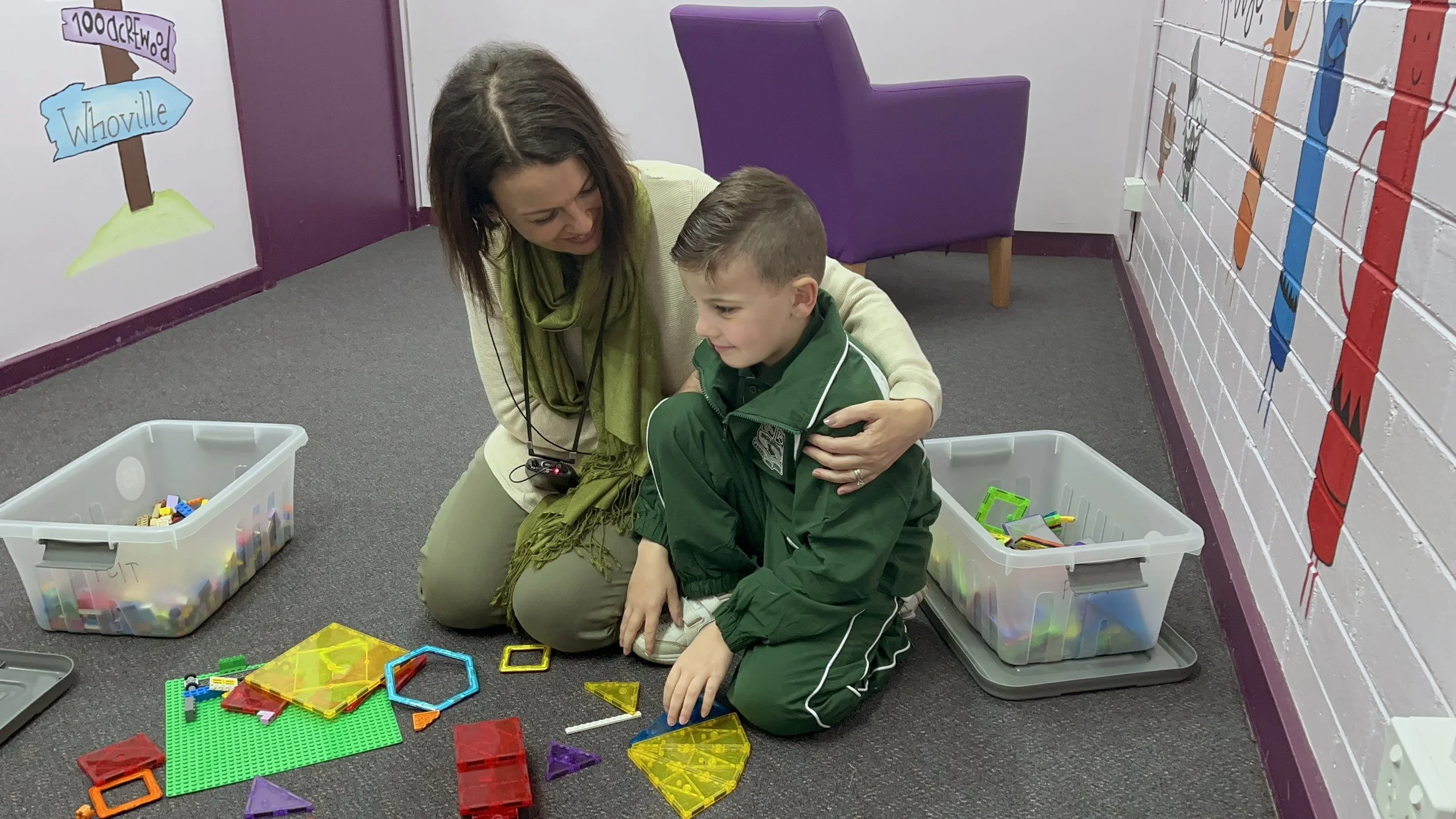
Children recruited from preschool, Kindergarten, Year 1, and Year 2 across educational institutions in south-west Sydney are classified as having either (1) conduct problems alone or (2) conduct problems and elevated CU traits. These children then participate in a randomised controlled trial. They are randomly allocated to receive early intervention that is either matched or not matched to their classification. We will test whether a matched approach to early intervention improves treatment acceptability and efficacy.
Children will receive a current gold standard early intervention programme—Parent-Child Interaction Therapy (PCIT)—either in its standard form or adapted for children with conduct problems and CU traits. The adapted version enhances PCIT to address the distinct risk factors of children with elevated CU traits by targeting parental warmth, emphasizing reward-based behaviour management strategies over punishment-based strategies, and teaching emotional literacy skills that are deficient in children with elevated CU traits. -
Specifically, teaching staff will
(1) identify appropriate candidates for early intervention;
(2) receive didactic and in vivo coaching on the causes and evidence-based management of childhood conduct problems in one-on-one and classroom settings; and
(3) participate in assessment procedures to establish the efficacy of the early intervention programme in improving child and teacher outcomes.
A secondary aim of this research project is to test whether teaching staff from preschool to Year 2 at each of the seven institutions improve in their knowledge and use of evidence-based behaviour management strategies for child conduct problems after participating in a PCIT-informed workshop about the causes and management of childhood conduct problems.The third aim of this project is to evaluate whether general adult and child and stress levels and wellbeing improves following participation of target children in the early intervention programme.
The current project attempts to address these two key limitations of early intervention for childhood conduct problems by:
The current project is also interested in the broader effects of this holistic early intervention programme. Children with conduct problems are the most likely to bully their peers and cause significant disruptions to lessons, thus demanding extensive time and attention from teaching staff and diminishing teacher capacity to provide a nurturing learning environment for all students.
Accordingly, preschool to Year 2 teaching staff and peers of the children involved in the early intervention programme are invited to participate in a grade-wide screening, which takes place at each of the schools at the beginning and end of the school year.
Aims of the Project
-
![]()
1. To evaluate the acceptability and efficacy of school-based Parent-Child Interaction Therapy (PCIT) early intervention that is matched to the individual needs of young children with conduct problems.
-
![]()
2. Investigating whether teaching staff who participate in teacher training workshops based on school-based PCIT report improved knowledge and use of classroom behaviour management strategies between pre- and post-intervention.
-
![]()
3. To examine whether teaching staff and classroom peers of target students who receive school-based PCIT show a reduction in stress levels and improved wellbeing, assessed via a stress and wellbeing screening occurring at the beginning and end of the academic year.


Importance of the Study
This research is significant because while research supports the efficacy of both standard and CU-adapted versions of PCIT, no research to date has tested whether matching the version of the early intervention programme to the child’s presenting problems (with or without CU traits) improves treatment outcomes. Furthermore, despite established success of the efficacy of PCIT in clinical and experimental settings, there is no published research on PCIT as a school-delivered intervention.
School-based interventions are a promising platform for service delivery since they allow for the early detection of children exhibiting at-risk behaviours who can benefit from comprehensive assistance from key figures in their lives (i.e., parents and teachers) who are equipped with the appropriate skills necessary to enact meaningful change.
The proposed project has significant clinical and public health implications due to the cross-matched and cross-setting approach it will take to testing the efficacy of a comprehensive, tailored, and school-based intervention targeted to young children with conduct problems who are at risk of significant life-long negative outcomes. This study will test whether the positive effects of intervention extend beyond the target child to improve the wellbeing of classroom peers and teacher(s).
Funding sources

-
![]()
2020
Innovative Schools award from The Educator Australia
-
![]()
2020
Secretary’s Award for School Achievement from NSW Education Minister’s and Secretary’s Awards for Excellence
-
![]()
2021
Innovative Schools award from The Educator Australia


